
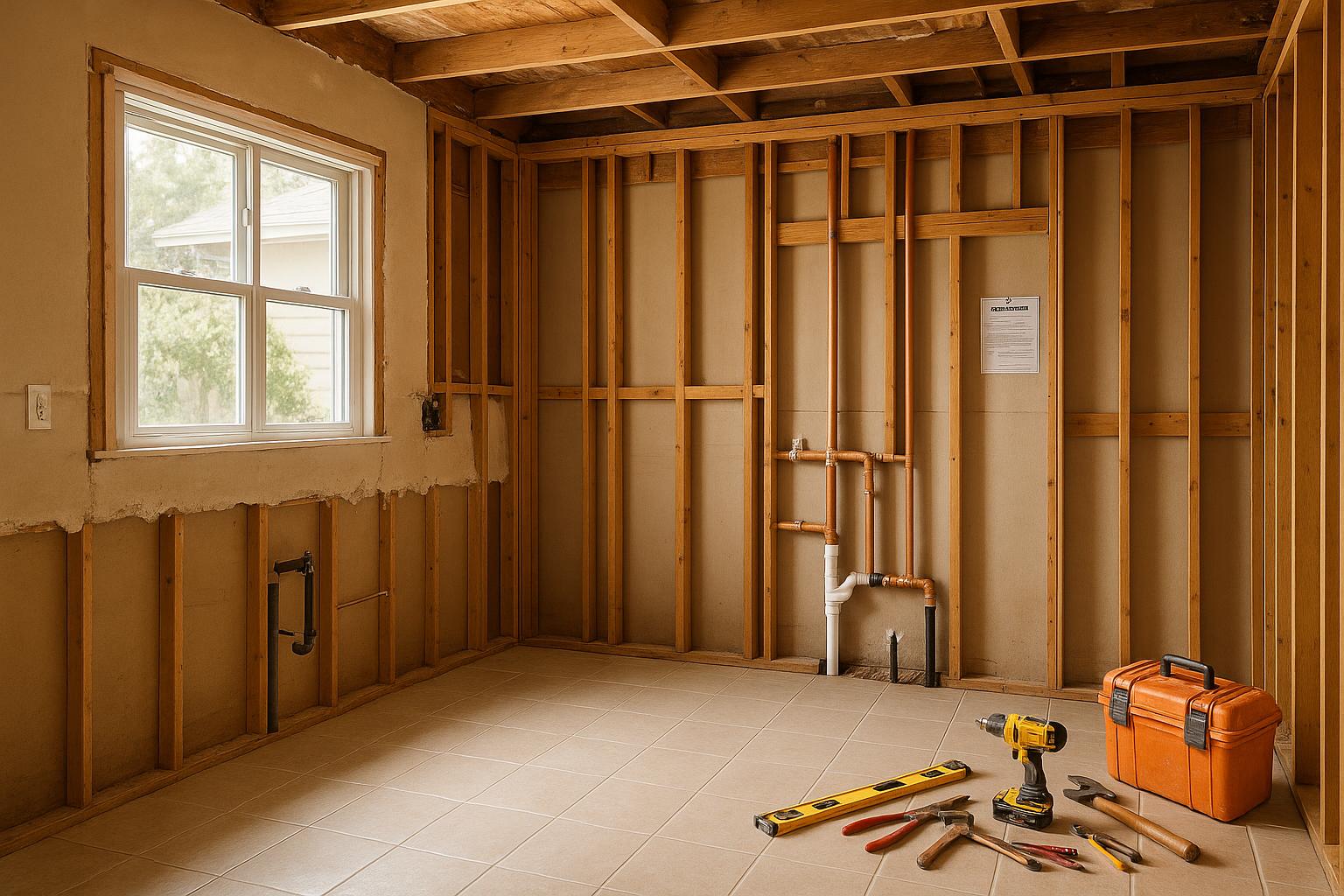
Why Permits Matter More Than You Think
One of the most common questions we hear from homeowners in Miami is simple: Do I really need a permit for my remodel? The short answer is — for most projects that involve structural, electrical, or plumbing work — yes, you do. And skipping the permit process isn't just risky; it can lead to fines, forced removal of completed work, and serious problems when you try to sell your home.
We get it. The permitting process can feel like a bureaucratic headache, especially when you're excited to get your renovation started. But understanding how permits work in Miami-Dade County will save you time, money, and stress in the long run. Here's everything you need to know before your next remodeling project.
Which Remodeling Projects Require a Permit in Miami?
In Miami-Dade County, most remodeling work that goes beyond purely cosmetic changes will require a building permit. Here's a general breakdown:
Projects That Typically Require a Permit
- Kitchen remodeling that involves moving or adding plumbing, electrical outlets, or gas lines
- Bathroom remodeling that includes relocating fixtures, adding new plumbing, or altering walls
- Removing or modifying load-bearing walls
- New electrical wiring or panel upgrades
- Installing new windows or doors that change the size of existing openings
- Any work that changes the structural layout of your home
- HVAC modifications or replacements
Projects That Usually Don't Require a Permit
- Interior painting and cosmetic finishing
- Replacing existing flooring with similar materials
- Swapping out cabinet hardware or fixtures without altering plumbing or wiring
- Installing new countertops on existing cabinetry (with no plumbing changes)
- Minor cosmetic repairs
The line between what does and doesn't need a permit can be blurry. When in doubt, it's always better to check with your contractor or the Miami-Dade County Building Department before work begins.
How the Permit Process Works in Miami-Dade County
If your project does require a permit, here's what the general process looks like:
- Application submission: Your contractor or architect submits plans and permit applications to the Miami-Dade County Department of Regulatory and Economic Resources (RER). For many residential projects, applications can be submitted online through the county's e-permitting system.
- Plan review: County reviewers examine the submitted plans to ensure they comply with the Florida Building Code, local zoning requirements, and any applicable regulations. This step can take anywhere from a few days to several weeks depending on the complexity of the project.
- Permit issuance: Once plans are approved, the permit is issued and work can begin. The permit must be posted visibly at the job site.
- Inspections: At various stages of the project — such as after rough plumbing, electrical, or framing work — a county inspector will visit the site to verify everything meets code. Your contractor should coordinate these inspections as part of the project timeline.
- Final inspection and closure: After all work is complete and passes inspection, the permit is officially closed out. This is the documentation that proves your remodel was done legally and to code.
A good remodeling contractor in Miami will handle most of this process for you. At Fieldstone Construction Miami, we manage permit applications and inspections as a standard part of our workflow so homeowners don't have to navigate the system alone.
What Happens If You Skip the Permit?
It might be tempting to skip the permit process to save time or money, but the consequences can be significant:
- Fines and penalties: Miami-Dade County can issue fines for unpermitted work, and those fines can add up quickly.
- Forced removal: In some cases, the county can require you to tear out completed work and start over with proper permits — at your expense.
- Insurance complications: If something goes wrong — a leak, a fire, structural damage — your homeowner's insurance may deny the claim if the work was done without a permit.
- Problems selling your home: When you sell, a title search or buyer's inspection can reveal unpermitted work. This can delay or even kill a sale, or force you to negotiate a lower price. Buyers in neighborhoods like Coral Gables, Pinecrest, and Coconut Grove are especially savvy about checking for proper permits.
- Safety risks: Permits exist to ensure work is done safely. Unpermitted electrical or plumbing work can create genuine hazards for your family.
How Long Does the Permit Process Take?
This is one of the biggest concerns homeowners have, and the honest answer is: it depends. For a straightforward kitchen or bathroom remodel in Miami, the permit process typically adds one to three weeks to the front end of your project timeline. More complex renovations — especially those involving structural changes — can take longer.
Some factors that affect the timeline include:
- The complexity and scope of the project
- Whether your home is in a historic district (parts of Coral Gables and Coconut Grove have additional review requirements)
- The current workload at the county building department
- How quickly your contractor submits complete and accurate plans
The best way to avoid delays is to work with a contractor who has experience navigating the Miami-Dade permitting system and submits thorough applications the first time around.
How to Protect Yourself as a Homeowner
Here are a few practical steps to make sure your remodel stays on the right side of the law:
- Ask your contractor about permits upfront. Any reputable remodeling company will be transparent about which permits are needed and will include permit costs in your estimate. If a contractor tells you permits aren't necessary for work that clearly requires them, that's a red flag.
- Verify the permit yourself. You can check the status of your permit online through the Miami-Dade County Building Department portal. Make sure the permit is in your property's name and that it's active.
- Keep copies of everything. Store copies of your approved plans, permit documents, and inspection reports. You'll want these for your records and for any future sale of your home.
- Don't pay for a final job without a final inspection. Make sure all required inspections have been completed and passed before making your final payment to your contractor.
The Bottom Line
Permits aren't the most exciting part of a remodel, but they're one of the most important. They protect your investment, keep your family safe, and ensure your beautiful new kitchen or bathroom is built to last — not just in appearance, but in the quality of the work behind the walls.
If you're planning a kitchen remodel, bathroom renovation, or any other home improvement project in Miami, South Miami, Kendall, or the surrounding areas, we're happy to walk you through the permitting process and answer any questions you have. At Fieldstone Construction Miami, we believe honest craftsmanship starts with doing things the right way from day one.