
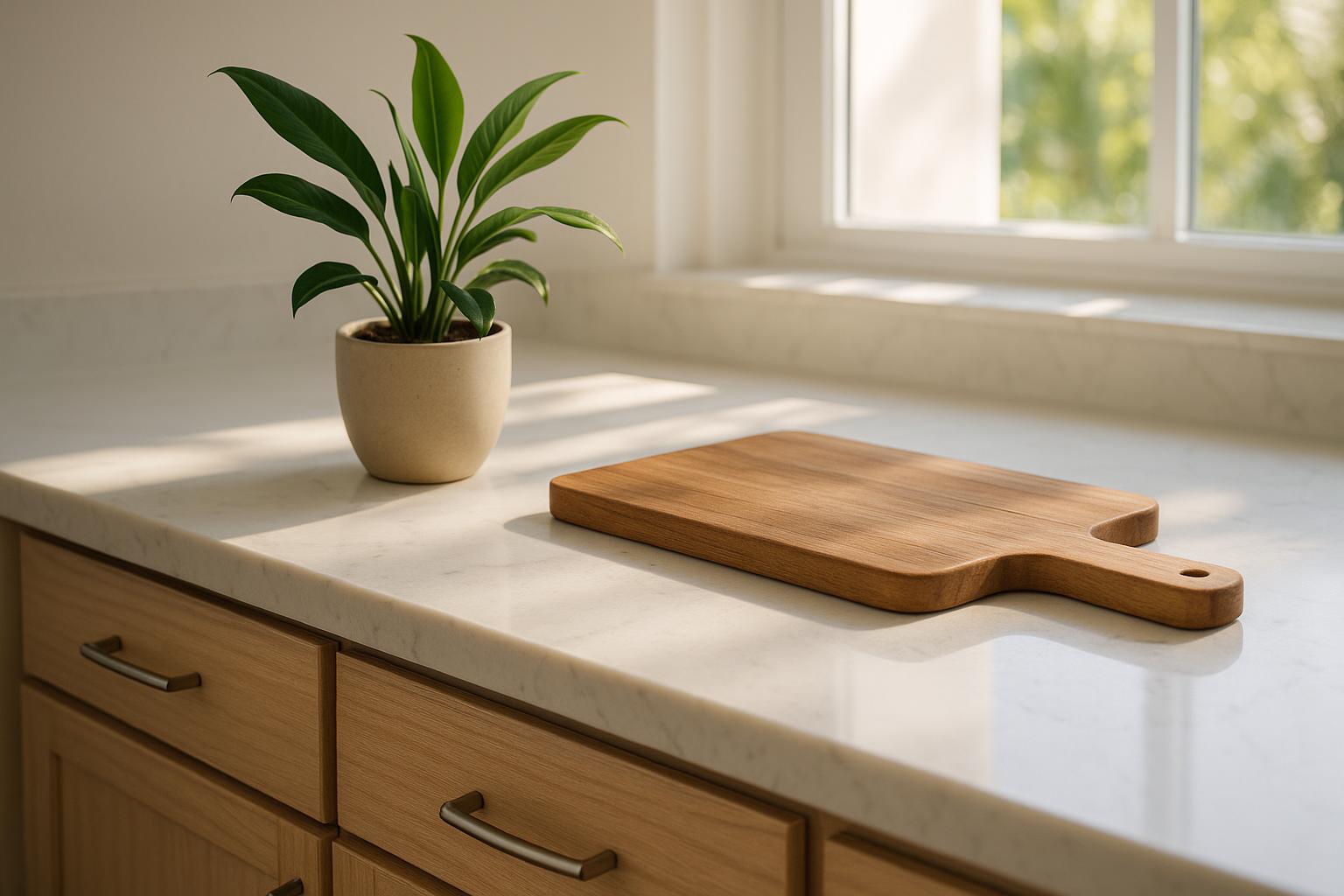
Choosing a Countertop Material That Works for Your Miami Home
When you're planning a kitchen or bathroom remodel, the countertop is one of the most impactful decisions you'll make. It sets the tone for the entire room, handles daily wear and tear, and needs to hold up in Miami's warm, humid climate. With so many materials on the market — from natural stone to engineered surfaces — it's easy to feel overwhelmed.
At Fieldstone Construction Miami, we install countertops in kitchens and bathrooms across Miami, Coral Gables, Coconut Grove, and surrounding neighborhoods every week. We've seen firsthand how the right countertop choice can transform a space and how the wrong one can lead to frustration down the road. This guide breaks down the most popular options so you can make an informed decision before your remodel begins.
Quartz: The Low-Maintenance Favorite
Quartz countertops have become the most popular choice among Miami homeowners, and for good reason. Engineered from crushed natural quartz mixed with resins and pigments, these surfaces are non-porous, which means they resist staining, bacteria, and moisture without ever needing to be sealed.
For a city where humidity is a year-round reality, that non-porous quality is a significant advantage. Quartz won't absorb moisture from the air or from spills the way some natural stones can. It's also available in an enormous range of colors and patterns, including options that convincingly mimic the look of marble or concrete.
Best for: Busy kitchens, family homes, and anyone who wants a beautiful surface without the maintenance commitment.
Things to consider: Quartz can be damaged by excessive heat, so always use trivets. It's also not ideal for outdoor kitchens since prolonged UV exposure can cause discoloration over time.
Granite: Classic Natural Beauty
Granite has been a go-to countertop material for decades, and it still holds its own against newer options. Each slab is unique, offering one-of-a-kind veining and color variations that engineered materials can only approximate. It's extremely hard and heat-resistant, making it practical for serious home cooks.
The main trade-off with granite is maintenance. It's a porous natural stone, which means it needs to be sealed regularly — typically once a year — to prevent staining and moisture absorption. In Miami's humid environment, skipping that annual seal can lead to problems over time.
Best for: Homeowners who love the look of natural stone and don't mind a small amount of annual upkeep.
Things to consider: Lighter-colored granites tend to be more porous and stain-prone than darker varieties. Always ask to see the actual slab you'll be getting, since no two pieces look alike.
Marble: Timeless but High-Maintenance
There's no denying that marble is stunning. Carrara, Calacatta, and Statuario marbles have graced luxury homes for centuries, and they remain a top choice for high-end bathroom vanities and kitchen islands in neighborhoods like Pinecrest and Coral Gables.
However, marble is softer and more porous than granite or quartz. It's prone to etching from acidic substances like lemon juice, wine, and even some cleaning products. It also stains more easily and requires diligent sealing. Many of our clients choose marble for bathroom vanities where it sees less abuse, while opting for quartz or granite in the kitchen where cooking happens daily.
Best for: Bathroom vanities, low-traffic kitchen areas, or homeowners who embrace the natural patina that develops over time.
Things to consider: If you choose marble for a kitchen, be prepared for some etching and character marks. Some people love the lived-in look; others find it frustrating.
Butcher Block: Warmth and Character
Butcher block countertops bring a warm, organic feel to kitchens that stone and engineered surfaces simply can't replicate. They're made from strips of hardwood — typically maple, walnut, or oak — glued together to form a thick, durable surface.
In Miami, the main concern with butcher block is moisture. Wood expands and contracts with humidity changes, and our subtropical climate can accelerate that process. Butcher block also needs regular oiling to maintain its finish and prevent drying or cracking. That said, many homeowners use butcher block on a kitchen island or a dedicated prep area while choosing a more resilient material for the perimeter countertops.
Best for: Adding warmth to a modern kitchen, prep stations, or as an accent surface paired with stone countertops.
Things to consider: Keep it away from the sink area if possible, and commit to oiling it every few weeks for best results.
Solid Surface: Budget-Friendly and Seamless
Solid surface countertops, like those made by Corian, are an acrylic-based material that offers a smooth, seamless appearance. Seams can be virtually invisible, which gives the countertop a clean, continuous look that's hard to achieve with natural stone.
Solid surface is non-porous, easy to clean, and repairable — minor scratches can be sanded out. It's generally more affordable than quartz or granite, making it a smart choice for homeowners remodeling on a tighter budget without wanting to sacrifice aesthetics.
Best for: Budget-conscious remodels, rental properties, and bathrooms where a seamless look is desired.
Things to consider: Solid surface isn't as heat-resistant or scratch-resistant as quartz or granite, so it requires a bit more care in the kitchen.
How Miami's Climate Affects Your Decision
Living in South Florida adds a layer of consideration that homeowners in drier climates don't have to think about. Here are a few climate-specific factors worth keeping in mind:
- Humidity: Porous materials like granite and marble need consistent sealing to prevent moisture absorption. Non-porous options like quartz and solid surface have a natural advantage here.
- Salt air: If you live near the coast in areas like Coconut Grove or South Miami, salt air can affect certain natural stones over time. Ask your contractor about sealant options designed for coastal environments.
- Heat: Miami kitchens get warm. If you do a lot of cooking, heat resistance matters. Granite handles heat best, while quartz and solid surface need protection from hot pots and pans.
Our Advice: See and Touch Before You Decide
Photos and samples only tell part of the story. We always recommend visiting a stone yard or showroom to see full slabs in person. The scale, veining, and color of a countertop material can look very different in a small sample versus a full kitchen installation.
When you work with Fieldstone Construction Miami, we walk you through material options during the planning phase and help you weigh the pros and cons based on your specific lifestyle, budget, and the room you're remodeling. Whether you're updating a bathroom vanity in Kendall or doing a full kitchen renovation in Coral Gables, the right countertop makes all the difference.
Ready to Start Your Remodel?
If you're comparing countertop materials and want honest, experience-based advice, reach out to our team. We're happy to discuss your project, recommend materials that suit your needs, and provide a detailed estimate. Great remodeling starts with great decisions — and we're here to help you make them.